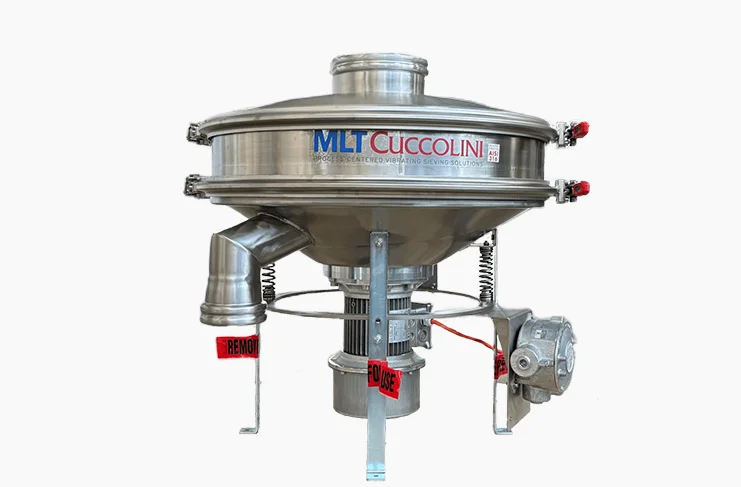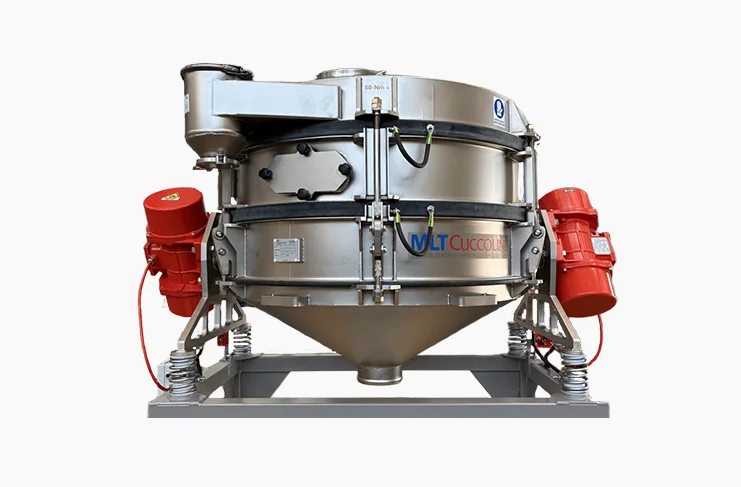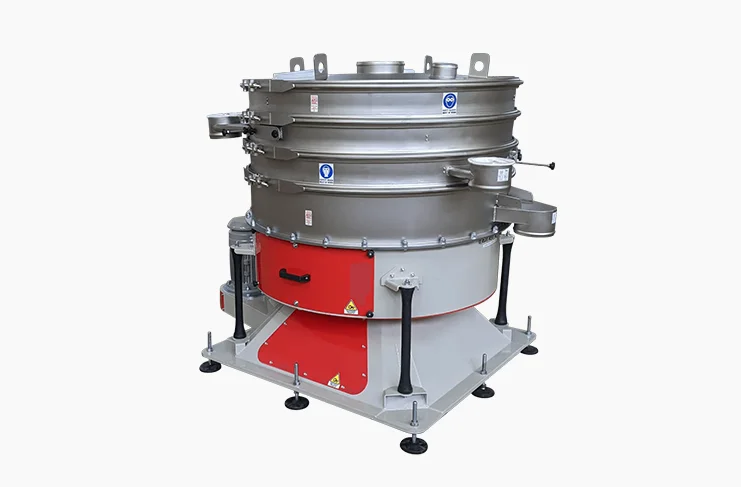

Metal Powder Sieving & Recovery
Advanced screening, classification and recovery solutions for metal powders.
Tiermax provides advanced metal powder sieving, classification and recovery solutions for additive manufacturing (AM), metal 3D printing and powder metallurgy applications.
Designed for fine and high-value powders such as titanium, Inconel, stainless steel, aluminum, cobalt-chrome and other specialty alloys, our systems help remove oversized particles and agglomerates, control particle size distribution and recover valuable powder for further processing or reuse.
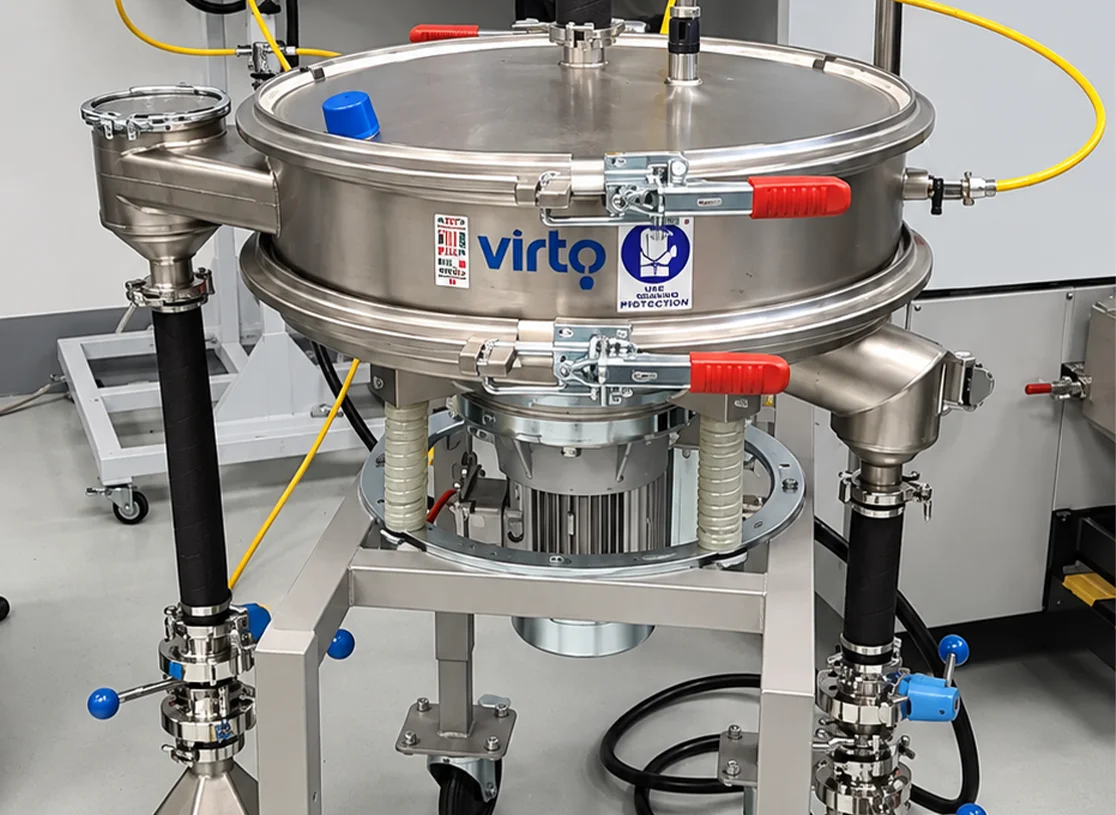
From standalone screening equipment to complete integrated powder-handling systems, Tiermax solutions can combine fine powder sieving, classification, vacuum conveying, enclosed powder transfer, powder collection, inert gas operation and automated controls in a system configured around your process.
Whether you need to recover unused AM powder, classify virgin metal powder, improve powder consistency or solve a difficult fine-screening application, Tiermax can evaluate your material and recommend a suitable screening and handling configuration.
Recover More Powder, Control Particle Size, Improve Your Process.
From powder recovery to complete powder handling - Benefits
Rather than selecting only a sieve, TIERMAX evaluates the powder, required cut point, process environment and upstream/downstream equipment to configure the right solution.
AM Powder Recovery −
Recover unused powder from additive manufacturing processes and separate oversized or agglomerated material before further processing or reuse.
Fine Powder Sieving +
Powder Classification +
Closed Powder Transfer +
Reduced Material Waste +
Controlled Atmosphere +
Easy Cleaning and Maintenance +
Flexible Integration +
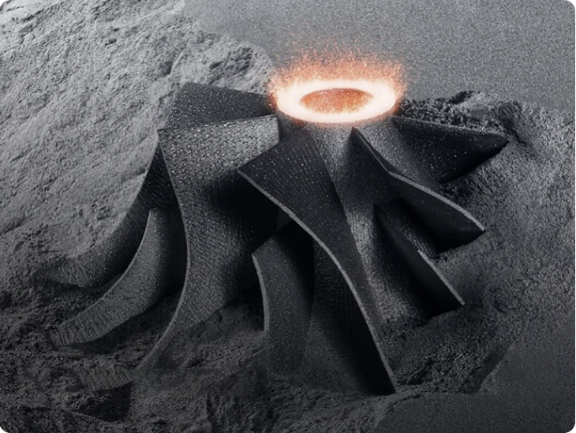
Configured for Fine Metal Powder Sieving & Recovery Processing - Features
Rather than selecting only a sieve, TIERMAX evaluates the powder, required cut point, process environment and upstream/downstream equipment to configure the right solution.

- Fine Powder Screening:Separates fine powder from oversized particles and agglomerates.
- Inert Gas Operation:Enables screening under an inert atmosphere.
- Oxygen Monitoring:Monitors oxygen levels for controlled processing.
- Mesh Cleaning:Helps prevent blockage and maintain screening efficiency.
- Automated Control:PLC control for automated system operation.
- Easy-Access Design:Allows quick access for cleaning and inspection.
- Powder Collection:Flexible collection options for recovered powder.
- Customized Connections:Adaptable connections for easy system integration.
- Feeding & Powder Transfer:Vacuum conveying for controlled powder feeding.
Technical Specifications:
Screening Range:
7–100 µm
Dry Flow Rate:
5 – 500 L/h
Contact Material:
AISI 304 stainless steel
Screening Deck:
Multi deck
Process Control:
PLC
Inertization:
O₂ monitoring available
Feeding:
Manual or Automatic loader
More About Metal Powder Sieving & Recovery
Metal powders used in additive manufacturing can be high-value materials. During the printing process, not all powder is consumed, making efficient recovery an important part of material management.
Before unused powder is returned to production, it may need to be screened to remove agglomerates, oversized particles, or other unwanted material. A properly configured recovery system provides controlled separation while minimizing unnecessary powder loss.
For materials requiring special handling conditions, the system can incorporate inert gas operation and oxygen monitoring. Additional options such as automated mesh cleaning, customized powder collection, PLC controls, and engineered connections allow the equipment to be integrated into different additive manufacturing processes.
TIERMAX evaluates the complete application – including powder characteristics, particle size, required capacity, operating atmosphere, cleaning requirements, and equipment interfaces – to configure a metal powder recovery solution for the process.
Why metal powders can be difficult to screen
Fine metal powders behave differently from conventional bulk solids. Correct selection depends on more than mesh size alone.
Fine particle size: As separation becomes finer, maintaining effective throughput through the screen becomes more challenging.
High bulk density: Dense powders can place greater load on the screening surface and may require different operating parameters.
Mesh blinding: Fine or near-size particles can lodge in screen openings and reduce effective screening area.
Controlled handling: Certain powders may require containment, grounding, dust control or controlled-atmosphere operation based on material and process risk.
Need a Metal Powder Sieving & Recovery Solution?
TIERMAX can help configure a metal powder recovery and screening system around your additive manufacturing process. Share your powder characteristics, required particle size, capacity, operating conditions, and existing equipment arrangement with our engineering team to determine the appropriate solution.
Frequently Asked Questions
A metal powder recovery system screens unused powder from additive manufacturing processes, separating oversized particles and agglomerates from powder suitable for further processing or reuse.
Powder remaining after a printing cycle may contain agglomerated or oversized particles. Screening helps separate these materials and maintain more consistent powder characteristics before reuse.
Yes. For applications requiring controlled processing conditions, the system can be configured for inert gas operation and oxygen monitoring.
Mesh-cleaning devices can be incorporated to help maintain screen performance when handling very fine powders.
Yes. Inlet and outlet connections can be configured according to the existing 3D printing equipment, powder containers, and material-handling arrangement.
The system can incorporate quick-access and easily removable components to simplify inspection, cleaning, and product changeover.
Yes. System configuration is determined according to powder characteristics, particle size, required separation, capacity, operating atmosphere, and the requirements of the surrounding process equipment.